
Girls’ education and climate strategies: Barriers, equity, and financing
What the 2026 Global Education Monitoring Report and recent evidence reveal about what works in practice, and why approaches like Katla Carbon’s are aligned with how solutions need to be delivered and financed.
Katla Carbon is piloting a methodology to quantify the long-term climate impact of increasing girls’ secondary education attainment in low-income countries, enabling carbon finance to flow toward programmes that address barriers to completion. The approach builds on decades of research and is being tested in practice with locally led organisations delivering integrated interventions on the ground. The 2026 Global Education Monitoring (GEM) Report provides a clear view of those barriers and the constraints to overcoming them.
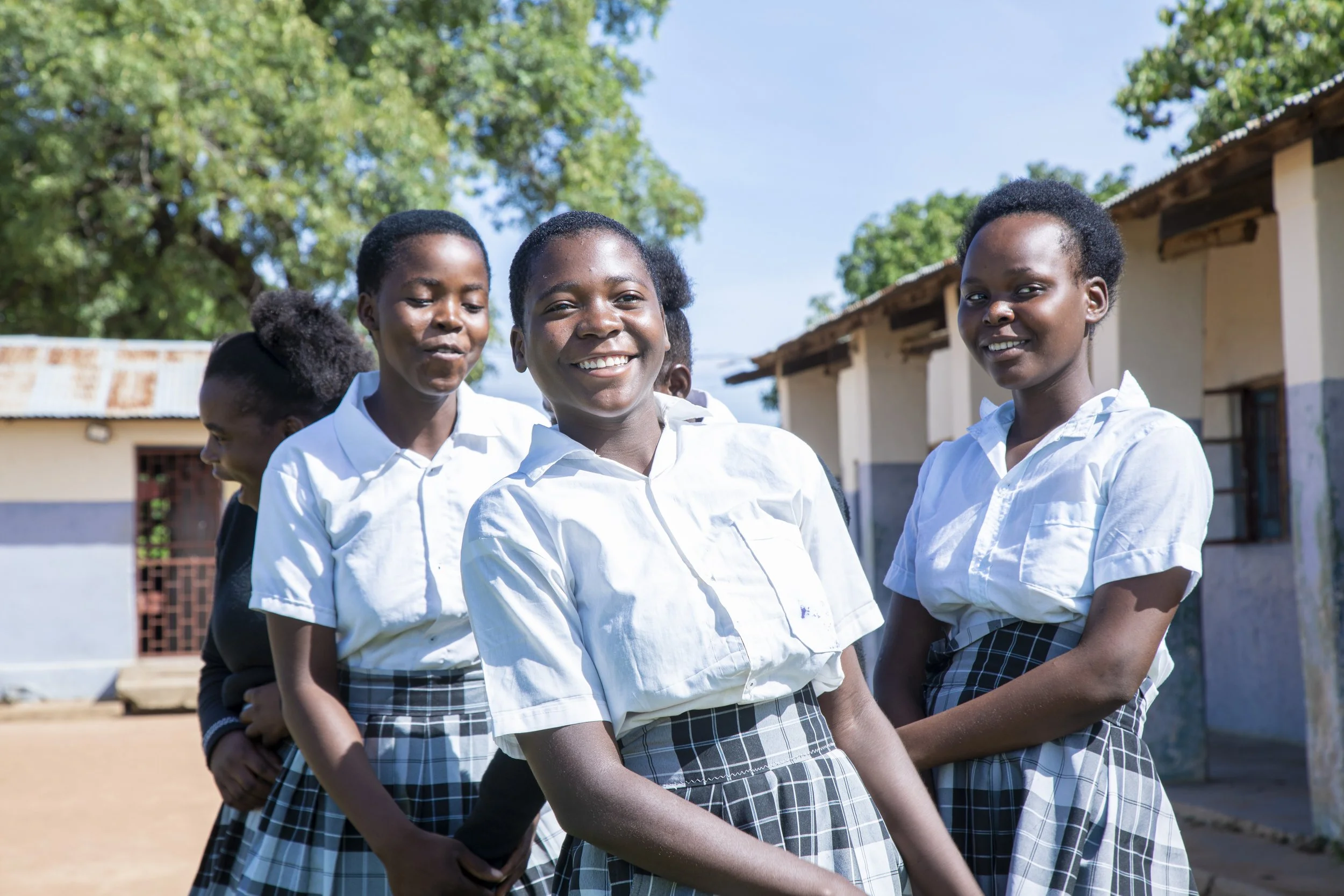
School Girls in a Katla Carbon Project in the Eastern Province of Zambia
The barriers are well known
The barriers to girls’ education are well established: School-related costs, boarding, distance, safety concerns, early marriage and pregnancy, and social norms that deprioritise girls’ education. These constraints are most acute among disadvantaged populations, particularly in rural and low-income settings. Even where tuition is free, indirect costs such as transport, meals, and learning materials remain decisive factors in whether girls complete secondary education.
What works in practice
Exclusion persists not due to a lack of evidence, but due to limited implementation at scale. Progress toward equitable access depends on addressing multiple barriers simultaneously, through combinations of measures such as compulsory education, child labour regulation, school feeding, and financial support to households. Evidence consistently shows that such multi-dimensional approaches are more effective than isolated interventions.
An article published earlier this month in the scientific journal Nature found, based on a randomized controlled trial, that combining interventions reduced adolescent marriage in Nigeria by approximately 80%, significantly increased girls’ school attendance, and generated positive spillover effects at the household level, including increased school enrolment among siblings. The barrier is rarely the school itself, but a set of structural constraints that shape the choices available to girls. Addressing these constraints requires interventions that operate across multiple dimensions simultaneously. The implication is not conceptual but operational: Improving equitable access requires integrated, context-specific delivery rather than fragmented interventions.
The constraint is financing
Financing is a primary limiting factor. Effective approaches are known, but not financed at the scale required. The GEM Report emphasises the role of equity-oriented financing mechanisms in directing resources toward disadvantaged learners, allocating funding based on need rather than uniform distribution. Their implementation remains uneven and often insufficient. A deeper structural issue lies in how financing is organised. Funding is frequently tied to specific interventions rather than designed to support integrated delivery. As a result, approaches that address multiple barriers simultaneously are not always the most readily financed. This creates a misalignment between evidence and funding, where what works is multi-dimensional but financing remains fragmented. At the same time, education systems rely heavily on combinations of public budgets, donor funding, and philanthropy, which are often constrained, uncertain, or short-term in nature. This limits the ability to sustain interventions over the full duration required for completion of secondary education and reinforces the need for sustained, predictable financing aligned with the nature of the solutions.
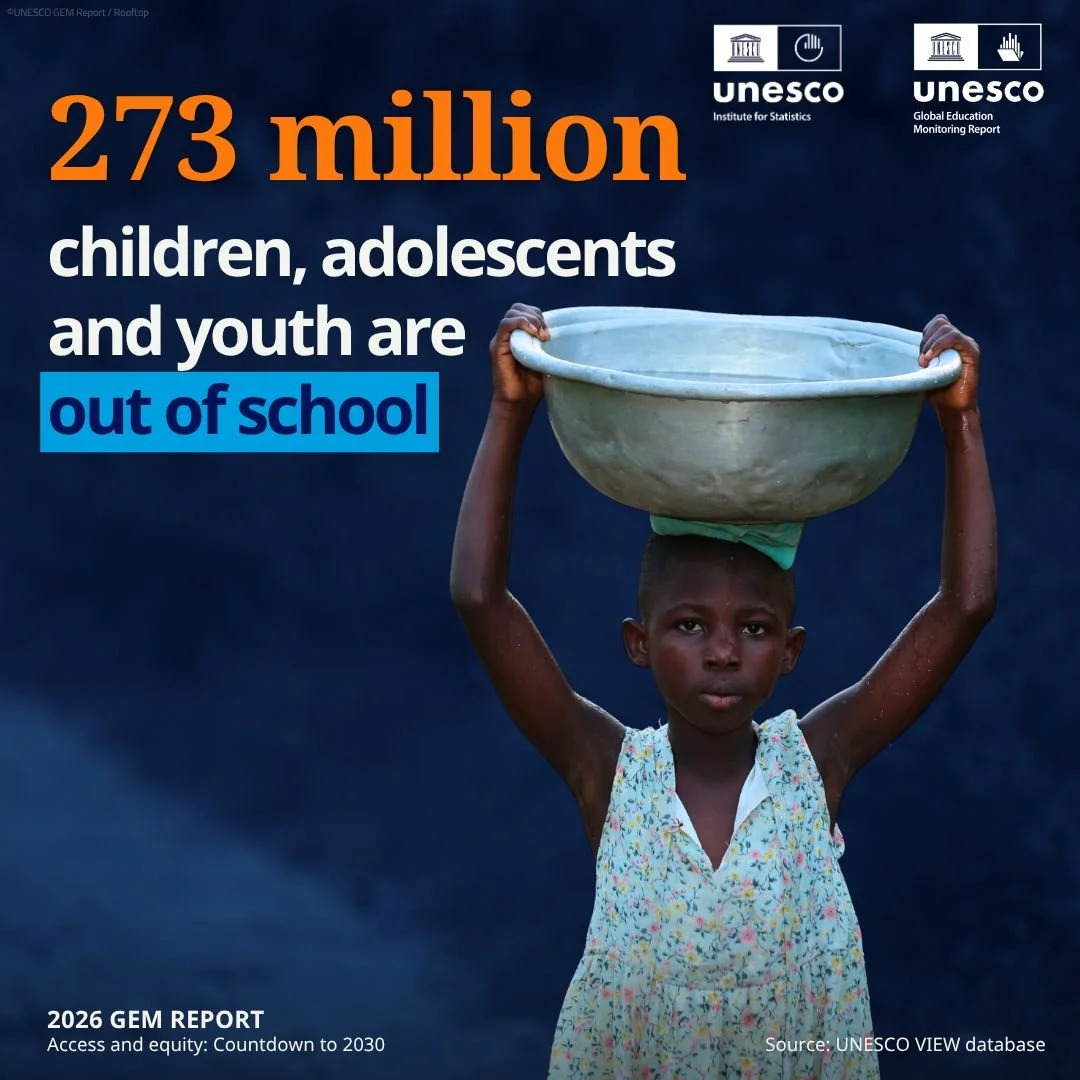
Aligning financing with how solutions work
Effective approaches are typically grounded in local contexts and implemented by organisations with deep contextual knowledge. Civil society organisations (CSOs) have developed robust, experience-based models that address cost, distance, safety, and social norms in combination, yet their ability to scale remains constrained by financing. Katla Carbon is piloting a financing mechanism designed to complement existing funding, working with organisations such as Forum for African Women Educationalists Zambia and Zambia Open Community Schools. By enabling programmes to generate carbon credits based on measurable long-term outcomes, this approach introduces an additional, results-based revenue stream that can support more stable and sustained implementation of holistic interventions over the full course of secondary education. Girls’ secondary education is a priority in its own right. The scientific foundation for Katla Carbon’s approach is grounded in decades of evidence demonstrating that girls’ educational attainment shapes long-term demographic trajectories which in turn influence emissions pathways.
Allocating resources more equitably is not only an education concern. Research lead by the International Institute for Applied Systems Analysis, highlights that climate mitigation scenarios often fail to adequately reflect equity and justice considerations, despite these being central to how policies are perceived and implemented. Mitigation pathways are more likely to be credible and feasible when they are seen as fair, influencing public trust, political acceptance, and long-term durability. Across domains, system effectiveness depends not only on technical design, but on whether resource allocation is perceived as equitable and legitimate. The implication is consistent: The challenge is not identifying solutions, but aligning systems, particularly financing systems, with how those solutions are experienced in practice.
The implication is straightforward. There is no shortage of evidence on what works to improve girls’ education. The constraint is how these approaches are financed. Effective interventions require sustained, multi-year support and integrated delivery, yet funding remains insufficient and poorly structured, fragmented, short-term, and too limited to operate at scale. Katla Carbon´s mechanism enables locally led organisations, those best placed to deliver these approaches to marginalised communities, to generate their own long-term financing through carbon credit generation. This aligns funding with how these interventions operate in practice and creates a pathway for scaling what already works, with measurable long-term climate impact.